
Visual-thermal interaction effects on perceived restoration in dynamic park routes: a time-series perspective on outdoor climate adaptation in hot climates
Wen Dong, Pengyuan Shen, Yaowu Wang, Mei Liu, Donghui Dai
2026
Journal of Environmental Psychology
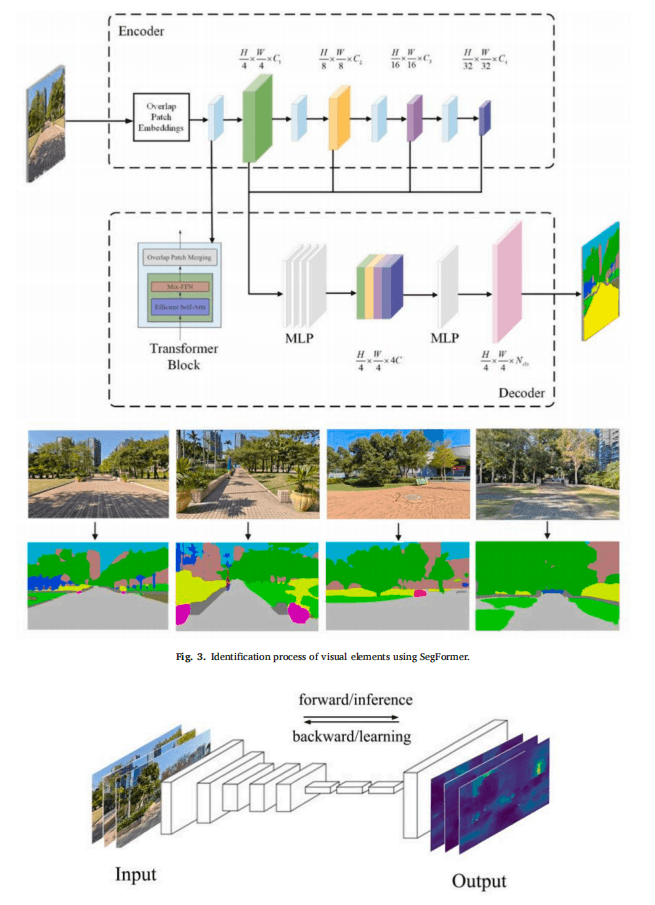
Fig. 4. Monocular depth estimation based on FCRN.
Summary
This study investigates outdoor climate adaptation in hot climates by examining visual-thermal interaction effects on perceived restoration along dynamic park routes . Using time-series analysis, it reveals how thermal trends, fluctuations, and lag effects impact psychological restoration in urban settings. The findings provide evidence-based strategies for designing urban green spaces that enhance public health and resilience against increasing heat stress driven by climate change.
Abstract
The increasing frequency and spatial-temporal expansion of hot weather driven by climate change pose significant challenges to restorative environments in urban settings, negatively impacting stress relief and cognitive improvement. Therefore, it is crucial to enhance adaptation to dynamic outdoor thermal variations and improving health benefits. This study extracts thermal environmental trends, fluctuations, and lag features along park walking routes using time series analysis to analyze the impact of thermal changes on perceived restoration. Additionally, the deep learning models are used to identify visual factors, exploring how these elements mitigate thermal discomfort in dynamic thermal environments and enhance perceived restoration. The findings reveal that ground interface richness is a key factor in reducing the negative effects of rising air temperature and solar radiation trends. The incorporation of colorfulness, leisure facilities, plant community complexity, and an orderly spatial structure can buffer the impact of sharp thermal environmental fluctuations, enabling individuals to maintain a relatively stable perception of restoration. Moreover, low transparency—indicating reduced visual permeability and a higher sense of enclosure—effectively reduces the lagged effects of high temperatures and intense solar radiation. Compared to conventional physical adaptation pathways that adjust thermal parameters, this study proposes a sensory-mediated adaptation strategy as a flexible and cost-effective complementary approach for shaping thermally resilient communities.
1. Introduction
The accelerated process of urbanization has made residents more susceptible to psychological fatigue and mental stress (White et al., 2021). Prevalence of major mental disorders (including anxiety disorders, psychosis, mood disorders and addictions) is significantly higher in urban areas than in non-urban areas (Alleyne et al., 2013; Luo & Jiang, 2022; Wu et al., 2024). Consequently, integrating mental health considerations into urban planning and developing restorative urban environments have become crucial strategies for improving overall well-being (Wu et al., 2024). Among these restorative environments,
urban parks serve as a key component, proven to be effective in alleviating mental stress, reducing psychological fatigue, and mitigating negative emotions (Akpınar, 2021; Liu L et al., 2022; Song et al., 2024a; Wang et al., 2016).
The concept of restorative environments emerged in the late 1980s and has gained increasing relevance in environmental behavior and landscape studies over the past few decades (Bornioli & Subiza-P´erez, 2023; Liu L et al., 2022). “Restorative environment” refers to a setting that enables individuals experiencing resource depletion to initiate psychological and/or physiological recovery processes under specific environmental conditions (Stigsdotter et al., 2017; Wu et al., 2024). The
Kaplans emphasized that contact with restorative settings can replenish depleted attention resources and relieve mental fatigue, which laid the foundation for the Attention Recovery Theory (ART) (Kaplan, 1989, 1995, p. 360). Similarly, Ulrich's Stress Recovery Theory (SRT) suggests that restorative environments facilitate recovery from all forms of stress, extending beyond the alleviation of attention fatigue (Ulrich, 1979; Ulrich et al., 1991). According to existing theories and assessment tools, the restoration of an environment can be broadly categorized into two domains: psychological and physiological. Physiological restoration primarily refers to the regulation of human physical health by environmental factors. In current studies, wearable physiological monitoring devices are commonly used to assess stress recovery. Frequently employed physiological indicators include electrodermal activity (EDA), electromyographic feedback (EMG), salivary cortisol concentration, and cardiovascular parameters such as heart rate (HR), heart rate variability (HRV), and blood volume pulse (BVP) (Annerstedt et al., 2013; Dimitrov-Discher et al., 2023; Gu et al., 2025b; Liu L et al., 2022). Psychological restoration is primarily reflected in the reduction of negative emotions and the recovery of attention. Among the commonly used tools, the Perceived Restorativeness Scale (PRS) developed by Hartig et al. (1997) effectively measures individuals' perceptions of restorative environmental qualities, including being away, extent, fascination, and compatibility. However, as the PRS is limited to evaluating environmental settings, it is not suitable for assessing changes in restorative states over time (Ha & Kim, 2021; Van Den Berg et al., 2003). In addition, the Profile of Mood States (POMS) have also been used to specifically assess emotional recovery (Song et al., 2024b, 2025). Furthermore, the Restorative Outcome Scale (ROS) has been employed to evaluate psychological responses, reflecting feelings of relaxation and calmness, attention restoration, and clearing one's thoughts (Bielinis et al., 2018a; Elsadek et al., 2019; Korpela et al., 2010). The measurement of restoration in this study was also based on the ROS.
Against the backdrop of global warming, climate adaptation strategies should be integrated into restorative studies to enhance urban resilience and sustainable development. Over the past few decades, the frequency and spatial extent of hot events have increased significantly and are projected to continue rising in the future (Chen Y et al., 2025; He et al., 2024; Perkins-Kirkpatrick & Lewis, 2020). Moreover, high-density urban development and the expansion of impervious surfaces have exacerbated the urban heat island (UHI) effect, further elevating urban temperature levels (Song et al., 2024a; Wong & Chen, 2008). The increasing prevalence of hot events not only intensifies thermal discomfort but also negatively impacts the mental health of urban residents (Chu et al., 2024; Jiang et al., 2024; Song et al., 2024a). As a result, traditional restorative studies that have primarily focused on visual aspects are no longer sufficient and the influence of thermal factors should be incorporated to better address the challenges posed by rising temperatures.
As outdoor spaces represent non-steady-state environments, the continuous and complex dynamic changes in environmental conditions along a walking route can influence individuals' immediate perceptions in dynamic scenarios (Peng et al., 2022). Among them, Dzyuban et al. (2022) investigated thermal alliesthesia in the context of outdoor walks and found that even subtle microclimatic variations—such as slight changes in wind speed and solar radiation—could enhance participants' thermal comfort and produce pleasurable sensations. Similarly, Lyu et al. (2022) simulated two scenarios—one with shade and another with direct solar exposure—to examine the relationship between thermal alliesthesia and restorative benefits. In addition, various thermal environmental factors influencing walking experiences have been identified. For instance, Zhao, Xu, et al. (2024) emphasized that the dynamic variations and non-uniform distribution of radiant temperature are critical factors influencing pedestrians' thermal comfort. Dzyuban et al. (2022) investigated the impact of prior walking segments on pedestrians' perceived pleasantness by utilizing the mean physiological equivalent temperature (PET) of previously traversed
routes. Ji et al. (2024) highlighted that the physiological and psychological responses of the human body under dynamic solar radiation exposure differ significantly from those under steady-state solar radiation exposure. Moreover, the lagged effects of thermal environments on human perception have been observed. Ji et al. (2017) demonstrated that the sequence of exposure to different temperatures influences pedestrians’ thermal perception. When the environment shifts from cold or hot conditions to a neutral state, individuals tend to perceive a noticeable improvement in thermal comfort. Notably, the decrease in thermal sensation caused by cold stimulation was more pronounced than the increase caused by hot stimulation, indicating that people are more likely to perceive positive changes when thermal conditions improve. Xie et al. (2022) found that the perceptions are affected by the past 20–35s short-term thermal history. However, a comprehensive investigation in dynamic changes of different thermal factors is still needed. Furthermore, although previous research has advanced the mathematical modeling of perception (Ji et al., 2024a; Xu et al., 2022), it primarily focused on physical environmental parameters and gave little attention to other sensory stimuli.
Multisensory interaction serves as a crucial mechanism for regulating perceptual experiences and can serve as an effective adaptation strategy for addressing climate change and adverse thermal environments. Environmental multisensory input is not just a superimposition of individual sensory experiences, but functions as an integrated whole and affects an individual's overall perceptions (Lin, 2004; Schreuder et al., 2016). For instance, Chang et al. (2023) found that enhancing the comfort of olfactory stimuli can reduce the effects of high temperatures and improve emotional states. Similarly, a field study conducted in hot climatic regions revealed a significant interaction between Universal Thermal Climate Index (UTCI) and visual factors in shaping thermal comfort perceptions (Lam et al., 2020). Another field study along urban roadways found that despite the limited shading capacity of cherry trees, their aesthetic and symbolic significance contributed to a restorative experience comparable to that provided by densely shaded roadside trees (Elsadek et al., 2019). Previous studies also highlighted that the presence of lush vegetation and water bodies in hot summer conditions may enhance visual comfort, thereby increasing acceptance of the thermal environment and improving overall perceptual outcomes (Zhang T et al., 2021; Zheng et al., 2025). In addition, some studies have suggested that when individuals are exposed to temperatures exceeding , manipulating visual environments does not alter perceptual outcomes (Dong et al., 2025). Although multiple studies have devoted to the interaction between visual and thermal environments, they have primarily focused on static scenarios. Research on how visual factors mitigate discomfort caused by dynamic changes in thermal environments is relatively limited and holds great potential as a research area.
Therefore, this study focuses on human walking behavior in urban parks, employing a time-series analysis to extract dynamic features of the thermal factors. Additionally, it explores how visual and thermal environments interact to influence perceived restoration. By offering a sensory-mediated climate adaptation strategy, this study provides a flexible and cost-effective complementary approach to better shaping thermally resilient communities. This research specifically focuses on addressing three questions: (1) How do trends in the thermal environment influence perceived restoration, and how do visual factors interact with these trends? (2) How do visual factors mitigate thermal discomfort caused by significant fluctuations in the thermal environment and enhance perceived restoration? (3) Regarding the lagged effect of the thermal environment on perceived restoration, how is the regulatory role of visual factors manifested? This research contributes to mitigating the discomfort caused by dynamic variations in outdoor thermal environments through the visual elements and organization along the route, thereby promoting human well-being and urban sustainability in the context of intensifying global warming.
2. Theoretical basis and feature extraction
2.1. Overview of time series research
In outdoor walking scenarios, environmental changes exert continuous and cumulative effects on individuals’ perceptions. However, traditional statistical methods such as mean and standard deviation are insufficient to capture such complex dependencies. Time series analysis serves as an essential tool for capturing the dynamic variations of data over time and extracting key temporal characteristics (Zhang W et al., 2023). It enables the identification of patterns, reveals underlying structures and dependencies, and enhances our understanding of how variables evolve over time (Gupta & Udrea, 2013; Rentala et al., 2024; Tahir et al., 2024). This approach offers both theoretical compatibility and technical feasibility for uncovering the dynamic relationship between environmental changes and perceived restoration.
In recent years, time series analysis has become an increasingly valuable approach for capturing environmental dynamics and understanding their effects on human perception and behavior. On the one hand, most time series studies commonly employ deep learning models for forecasting future trends. For example, Liu et al. (2024) utilized time series models to predict the diversity of window-opening behavior, and (Gustin et al., 2018) applied time series methods to forecast indoor temperatures during heatwaves. One the other hand, with growing emphasis on understanding underlying mechanisms, some scholars have adopted a statistical approach by using time series analysis to support the exploration of perceptual processes. For instance, Rentala et al. (2024) extracted time series features—such as trend, fluctuation cycles, and irregular variations—from indoor air and skin temperature, and further incorporated these factors into regression models with individual perceptual scores to identify the regulatory role of dynamic environmental characteristics on thermal perception. In another experimental study on gender differences in thermal perception during sleep, researchers conducted time series analysis on winter sleep data from 14 adolescents, focusing on trend patterns and the maximum amplitude of overnight skin temperature changes (Xu et al., 2025). The findings revealed gender-specific patterns in local skin and core body temperatures. Additionally, Iddon et al. (2015) performed time series analysis on room temperature data from UK hospitals and used distributed lag models (DLMs) to capture the effects of thermophysical factors on spatial temperature. Based on this analysis, the study further revealed significant impacts of building orientation and site shading on hospital thermal conditions.
In summary, time series analysis serves as a powerful methodological tool for mechanism exploration, offering a novel dynamic perspective for understanding human–environment interactions, particularly in the context of fluctuating outdoor thermal environments. Therefore, this study utilizes time series analysis as a computational tool to extract key time-series factors that characterize the dynamic variations in environmental conditions. Subsequently, we analyze how these dynamic changes in environmental factors influence perceived restoration.
2.2. Feature extraction in time series analysis
Based on the fundamental components of time series and the research objectives of this study, three core features—trend, fluctuation, and lag features—were extracted to characterize the dynamic variations of outdoor environments (Charfeddine et al., 2023; Hswen et al., 2021; Rentala et al., 2024; Yu et al., 2020). These features capture the overall direction of change, manifestations of non-stationarity, and time-dependent relationships in the data, thereby laying the foundation for further investigation into the influence of environmental factors on restoration.
2.2.1. Trend
In time series analysis, trend represents the overall direction of data point changes over time and is a fundamental component of time series. Trends can appear as short-term or long-term patterns, which may remain stable or evolve, resulting in increasing, decreasing, or stationary
trends (Zhang & Qi, 2005). Experimental studies conducted in climate chambers have demonstrated that temperature trends significantly influence human thermal perception (Zhang et al., 2017). However, some studies suggest that when the rate of temperature change is low, its impact on thermal perception may be negligible. For instance, research has generally found little or no difference between steady-state and transient conditions when the temperature change rate is below (Vellei et al., 2021).
For each route, the Sieve Bootstrap method is employed to test whether the trend follows a linear pattern. If the trend component is determined to be linear, it satisfies the following linear regression model:
Where represents the estimated slope of the trend.
If the trend is nonlinear, a spline regression model is applied to fit the nonlinear trend using a three-segment piecewise approach (Harrell, 2001):
Where correspond to the 10th, 50th, and 90th percentiles of the time index, respectively.
2.2.2. Fluctuation
Fluctuations generally refer to the magnitude of numerical variations within a time series, reflecting uncertainty or risk and serving as a primary indicator of non-stationarity in time series data (Mastroeni et al., 2024; Yao et al., 2024). Specifically, fluctuations can be defined as deviations of time series values from their mean level, along with the temporal distribution patterns of these deviations (Guo et al., 2021; Mastroeni et al., 2024). Significant fluctuations in the thermal environment may have notable effects on system states or human perception. Previous studies have investigated step changes in temperature or solar radiation, highlighting the impact of sharp fluctuations in the thermal environment on overall perceptual experiences (Li et al., 2022; Zhao, Zhao, et al., 2024).
For each route, a baseline is first established for the time series, defined by the mean , and the dispersion of data around the mean is measured using the standard deviation (σ). Based on previous studies, the upper baseline limit is set as , while the lower limit is set as .
If the value of the thermal factor remains within one standard deviation of the mean, it is classified as a stable fluctuation, i.e.:
If the value of the thermal factor deviates from the mean by more than one standard deviation, it is classified as a sharp fluctuation, i.e.:
2.2.3. Lag
The lag feature describes how past values of a variable influence its current state, making it a fundamental characteristic that distinguishes time series data from static data. In this study, lagged effects help reveal the delayed relationship between environmental changes and restorative perception (Hswen et al., 2021; Wang & Shen, 2024). Existing studies have shown that the lagged effect of the thermal environment is closely related to human physiological responses (Ji et al., 2024a).
3. Method
3.1. Study site and time selection
The study was conducted in Shenzhen, China, a city characterized by a subtropical climate with prolonged periods of high temperatures throughout the year. The annual average temperature is , with a historical extreme high of . The rainfall is abundant with the
mean annual precipitation of , and sunshine duration is 1853.0 h. Fig. 1 presents the multi-year average monthly temperatures in Shenzhen from 1991 to 2020 (according to data from Shenzhen National Basic Meteorological Station of China). The experiments in this study were conducted in September, with temperature levels that are representative of the typical thermal conditions observed in hot climatic regions.
Three urban parks located in the central district of Shenzhen were selected as experimental sites. The selection criteria for park samples were as follows: (1) The park area was controlled between 3 and 4 ha to ensure a moderate experimental scale and facilitate walking-based experiments; (2) the parks were surrounded primarily by residential and commercial land uses, making them accessible public spaces frequently visited by residents; (3) the internal landscape features of the parks were diverse, ensuring a rich variety of spatial visual characteristics and thermal environmental conditions. Each site includes a designated walking route, along which experimental stopping points are distributed (Fig. 2).
3.2. Selection and measurement of the environmental factors
Air temperature, wind speed, and solar radiation, the key thermal environmental factors in architecture and urban studies, were chosen as this study's indicators (Jaafar et al., 2022; Li et al., 2024; Xie et al., 2018). A handheld TH-PQX5 weather station was used to collect air temperature and wind speed data (air temperature measurement range: - surement accuracy: ; wind speed measurement range: , measurement accuracy: ). Additionally, a SM206-Solar power meter was used to measure solar radiation (measurement range: 0.1-1999.9 ,measurement accuracy: (10 %R + 2 dgt)). During the experiment, a researcher accompanied the participant throughout the route to operate the instruments and collect microclimate data.
Based on previous research on visual factors and environmental percep tion, visual features can be categorized into visual element properties and visual organizational features (Dong et al., 2024; Torku et al., 2021a). Visual element properties refer to properties such as density, color, and material of spatial elements, while visual organizational features describes the arrangement and composition of these elements within a space (Qin et al., 2023; Torku et al., 2021b, Torku et al., 2021b; Zhang G et al., 2021a). Specifically, visual element properties include green view index, leisure fa cility density, ground interface richness, colorfulness and color harmony. Numerous studies have demonstrated the critical role of the green view index in enhancing restorative benefits (Kexin, Li, Zheng et al., 2024; Wang et al., 2016, 2025). Leisure facilities have also been found to shape restorative experiences by promoting perceived compatibility and fascination (Abdulkarim & Nasar, 2014; Barros et al., 2021). In addition, ground

Fig. 1. Multi-year (1991–2020) average monthly temperatures for Shenzhen city.
interface richness refers to the richness of ground-level elements, such as paving materials and vegetation cover. It not only enhances the aesthetic value of the environment but also serves as a key factor influencing environmental preference (Balasubramanian et al., 2022). Furthermore, colorfulness refers to the visual diversity of colors present in the environment, which is linked to emotional states and environmental evaluations (Cao et al., 2025; Hao et al., 2024; Ruotolo et al., 2024). The commonly used formula of colorfulness is , where and are the standard deviations of the red–green and yellow–blue components, and and are their corresponding means (Hasler & Suesstrunk, 2003).
Spatial organizational structure factors include transparency, landscape depth, orderliness and plant community complexity. Among them, transparency refers to the extent to which sightlines extend within a space, reflecting the visual openness and accessibility of the environment. Several studies have indicated that lower transparency may alleviate stress by directing attention outward or enhancing perceived safety (Buttazzoni & Minaker, 2023; Shi et al., 2014). In addition, landscape depth refers to the extent of spatial depth covered by the line of sight as it extends into the distance (Tabrizian et al., 2020; Zhang et al., 2024). Orderliness reflects the visual coherence generated by the repeated arrangement of spatial components and is considered an important factor influencing individuals’ cognitive load (Hunter & Askarinejad, 2015; Zhang G et al., 2021b). Moreover, plant community complexity refers to the spatial compositional complexity of the plant community, typically involving the integration of trees, shrubs and grasses (Ricotta & Anand, 2006). It is commonly measured using the Shannon Diversity Index, which is often applied in ecology and environmental science to quantify compositional complexity within a system. The basic form of Shannon Diversity Index is , where H represents the diversity score, and Pi indicates the proportion of each vegetation type (Zhang X et al., 2023).
Photographs were taken from the center point of every site. The camera was positioned at a height of 1.6 m to represent the typical eye level of a pedestrian. Images were captured from multiple angles, including the front, left, right, upward (top interface), and downward (ground interface) views. A deep learning SegFormer model was used to identify different categories of visual factors. As illustrated in Fig. 3, segformer segments park images into distinct sub-scenes, each representing different object categories such as sky, buildings, trees, and grass, etc. Seg-Former is a Transformer-based semantic segmentation model and its hierarchical transformer encoder captures multi-scale features while maintaining both global contextual awareness and local details. The ADE-20 K dataset released by MIT was used for training (http://groups.csail.mit.edu/visi on/datasets/ADE20K/), which is the largest open-source dataset for semantic segmentation and scene parsing (Wen et al., 2025; Xie et al., 2022; Zhou et al., 2019). Specifically, the calculation method for visual element properties factors is the proportion of the relevant element in the total image. Furthermore, colorfulness indicators were computed using MATLAB-based programming. For visual organizational features, transparency is calculated as the ratio of elements with an expansive view (e.g., road, path, sidewalk, sky, grass, water). Orderliness is measured as the ratio of orderly repetitive elements in the image. Plant community complexity is determined by shannon entropy. Additionally, landscape depth is estimated through monocular depth estimation based on a fully convolutional residual network (FCRN) (Fig. 4). This methodology has been demonstrated to be a feasible and effective approach for the quantification and assessment of visual environmental factors (Zhang et al., 2024; Zhang X et al., 2023).
3.3. Experimental procedure
Participants were recruited through social media platforms, where the research team distributed detailed advertisements targeting student populations. A total of 120 participants were recruited for this study, with 40 individuals assigned to each park. The sample size was


Fig. 2. Location of experimental sites and walking routes.
determined based on previous studies that had validated similar experimental designs with sufficient statistical power (Favero et al., 2021; Ji et al., 2024b; Zhao, Zhao, et al., 2024). The average age of participants was years. Individuals were excluded if they met any of the following criteria: (1) had underlying health conditions or self-reported the use of medication or therapy for stress recovery; (2) had binocular visual acuity (including corrected vision) of 0.8 or higher. The gender ratio of the experiment was balanced at 1:1. To minimize the impact of clothing insulation differences on individual thermal perception, this study standardized clothing insulation by requiring all participants to wear a short-sleeved shirt (Peng et al., 2022). This study was conducted in accordance with the ethics regulations of Harbin Institute of Technology.
Participants were allowed to choose their own experimental time to ensure that the study aligned with their personal schedules, and they had the flexibility to cancel or reschedule their participation if needed. Before the study commenced, all participants received a detailed explanation of the experiment and signed a written informed consent form for voluntary participation. To prevent congestion along the experimental route, participants were divided into small groups of up to four individuals.
They were required to arrive at the experimental site in advance and undergo a 10-min resting adaptation period to stabilize their physiological state and acclimate to the environment. During this period, the experimenter provided detailed instructions on the experimental procedure and important considerations, and participants were asked to complete a basic information questionnaire. Once the experiment began, the participant followed a route through the park under the guidance of the researcher, sequentially arriving at experimental points characterized by distinct visual and thermal environmental conditions. The time required to walk between consecutive experimental points ranged from 20 to 30 s. Participants completed the Restorative Outcome Scale (ROS) immediately after each environmental exposure to assess acute restoration effects. Ultimately, each participant completed the full perceptual assessment along the designated experimental route.
The ROS has been proven to be a dependable and valid measurement tool (Appendix 1) (Bielinis et al., 2018b; Elsadek et al., 2019). The scale includes three items related to relaxation and calmness, one item addressing attention restoration, and two items reflecting the ability to clear one's thoughts. Each item was rated by participants on a seven-point Likert scale, ranging from 1 (not at all) to 7 (completely). The final score was obtained by averaging the responses to the six items.
4. Result
4.1. The influence of thermal environmental trends and visual factors on perceived restoration
First, collinearity analysis was conducted using the Variance Inflation Factor (VIF) to identify and remove variables with high collinearity , thereby enhancing the accuracy and reliability of the model (Doan et al., 2025). Next, the main effects and interaction effects of the visual-thermal environment on perceived restoration were examined based on an Ordinary Least Squares (OLS) regression model incorporating interaction terms.
Where represents the coefficient representing the main effect of thermal environmental trends; represents the coefficient representing the main effect of visual factors; represents the coefficient of the interaction term between visual and thermal factors.
Figs. 5 and 6 present the main effects and interaction effects of thermal environmental trends with visual element properties and visual organizational features, respectively. The findings indicate that both temperature trend , ) and solar radiation trend (B , ) exhibit a significantly negative main effect, suggesting that an increase in temperature and solar radiation adversely


Fig. 3. Identification process of visual elements using SegFormer.

Fig. 4. Monocular depth estimation based on FCRN.

Fig. 5. Interaction heatmap between thermal environment trends and visual element properties.

Fig. 6. Interaction heatmap between thermal environment trends and visual organizational features.
affects perceived restoration.
Regarding the interaction between temperature trend and visual environment, the interaction effect of ground interface richness is significant , ). Although the main effect of ground interface richness is not significant, it moderates the negative impact of rising temperatures on restorative benefits. Additionally, as lanscape depth increases, the negative effect of temperature on restorative benefits intensifies , ). This suggests that deeper visual spaces may amplify discomfort in hot conditions, diminishing the sense of restoration. Furthermore, the interaction terms between temperature and visual factors, including leisure facility density, transparency, orderliness, and plant community complexity did not reach statistical significance, indicating an absence of significant interaction effects between these factors and temperature.
Regarding the interaction between solar radiation trend and visual element properties, the interaction effects of leisure facility density , ), ground interface richness , and colorfulness , ) are significant. These findings suggest that ground interface richness not only mitigates the adverse effects of high temperatures but also solar radiation. Additionally, increasing the number of leisure facilities and plant species also has a positive impact in the context of intensified thermal environments. Although previous studies on audio-visual interactions have highlighted the contributions of these factors, this study provides empirical support for their role in multisensory restoration from a thermal perspective (Ha & Kim, 2021; Liu F et al., 2022). Furthermore, among visual organizational features, orderliness , ) and plant community complexity , ) exhibit the significant interaction with solar radiation trend.
Although the main effect of wind speed trends is significant , P ), none of the visual factors exhibit statistically significant interaction effects with it. This suggests that no visual factor could synergistically enhance restoration in conjunction with wind speed, nor can any factor mitigate the discomfort associated with a decrease in wind speed.
4.2. The influence of thermal environmental fluctuation and visual factors on perceived restoration
Table 1 presents the results of an independent t-test comparing routes with sharp fluctuations (increase/decrease) in temperature, wind speed, and solar radiation to those with stable fluctuations. The results indicate that a sharp increase in temperature , ) and solar radiation , ) significantly reduces restorative benefits, and routes with sharp decrease in wind speed (MD , ) negatively impact restoration. These findings suggest that dramatic thermal environmental fluctuations heighten thermal discomfort, thereby exerting a negative effect on perceived restoration, which is consistent with previous research conclusions (Jiang et al., 2024; Zhang et al., 2017).
In response to fluctuating conditions that can affect the recovery experience: large increases in temperature, large decreases in wind speed, and large increases in solar radiation, a linear regression model with interaction terms was further constructed to explore how visual factors interact with these conditions to enhance overall perceived restoration.
Where represents the coefficient representing the main effect of thermal environmental fluctuations; represents the coefficient representing the main effect of visual factors; represents the coefficient of the interaction term between visual and thermal factors.
Figs. 7 and 8 present the interaction effects of thermal environmental fluctuations with visual element properties and visual organizational features, respectively. Among them, colorfulness exhibits a significant interaction with the upward fluctuations in temperature , 0.001) and solar radiation , ). Additionally, orderliness , ) demonstrates a significant positive interaction with
Table 1 Independent t-test for routes with sharp fluctuations and stable fluctuations.

Fig. 7. Interaction heatmap between thermal environment fluctuations and visual element properties.

Fig. 8. Interaction heatmap between thermal environment fluctuations and visual organizational features.
sharp decreases in wind speed, indicating that environments with order and coherence can stabilize restorative perception under wind speed fluctuations. Moreover, leisure facility density , ) and plant community complexity , ) show positive interactions with sharp fluctuation in solar radiation, consistent with their contributions observed in the trend analysis. In contrast, green view index, ground interface richness, transparency, and landscape depth do not exhibit significant interactions with any thermal fluctuations.
4.3. The influence of thermal environmental lagged effect and visual factors on perceived restoration
The interaction term modeling based on an OLS regression was conducted to examine the main effects and interaction effects of the visual environment and thermal lagged effect on perceived restoration. Based on previous research on the effective lag time of thermal environments on perception (Ji et al., 2024; Xie et al., 2022), this study focuses on analyzing how the conditions at the preceding point influence restoration at the subsequent point.
(7)
Where represents the coefficient representing the main effect of preceding thermal environmental factors; represents the coefficient representing the main effect of visual factors; represents the coefficient of the interaction term between visual factors and preceding thermal factors.
Figs. 9 and 10 present the main effects and interaction effects of thermal lagged effects with visual element properties and visual organizational features, respectively. The findings indicate that the main effect of preceding temperature , ) and solar radiation , ) is significant, meaning that they have a lagged influence on perceived restoration. However, the lag effect of wind speed is not significant. In addition, visual transparency is the only visual factor that interacts significantly with both the lagged effects of temperature , ) and solar radiation , 0.003). Specifically, when individuals experience thermal discomfort due to high temperatures or intense solar radiation, a lower level of visual permeability at the subsequent site enhances perceived restorative experiences. In addition, no significant interaction effects were observed for other visual factors.
5. Discussion
We found that the dynamic variations in the thermal environment

Fig. 9. Interaction heatmap between thermal lagged effects and visual element properties.

Fig. 10. Interaction heatmap between thermal lagged effects and visual organizational features.
have a significant impact on perceived restoration. Specifically, the upward trends in temperature and solar radiation are negatively correlated with restoration, whereas the upward trend in wind speed shows a positive correlation. While prior research has highlighted the adverse effects of high-temperature environments on restoration, our study underscores that even a slight temperature decrease in high thermal conditions can contribute to promoting restoration. The study also found that sharp fluctuations in temperature and solar radiation had a significantly negative impact on restorative benefits, which is consistent with the conclusions of previous laboratory experiments (Liu et al., 2014; Zhang et al., 2017). Furthermore, temperature and solar radiation were proved to have a lagged effect on perceived restoration, confirming previous research findings (Ji et al., 2024a; Xie et al., 2022). However, no lagged effect was observed for wind speed.
Then, we explored how visual factors enhance overall perceived restoration to counteract the adverse effects of a dynamic thermal environment. Specifically, ground interface richness plays a crucial role in alleviating thermal discomfort from rising trends of temperature and solar radiation. Variations in texture, color, and form could enhance information richness, which reduces cognitive strain and enhances restorative experiences (Balasubramanian et al., 2022; Kaplan, 1995; Tinio & Leder, 2009). This finding provides a cost-effective alternative to traditional physical climate adaptation measures by enhancing perceptual experiences without requiring large-scale infrastructure construction (Chen et al., 2023; Chen H et al., 2025; Wang et al., 2024). Highly orderly environments are typically characterized by clearer structural organization and a stronger sense of rhythm, which can enhance perceived coherence and reduce cognitive load, thereby improving individuals’ tolerance to external heat stress (Nikolopoulou & Steemers, 2003; Zhang G et al., 2021a). However, our findings regarding ground interface richness and plant community complexity challenge the core assumptions of the Perceptual Fluency Account Theory, suggesting that classical restoration theories may be insufficient to account for the findings. In dynamic thermal environments, the restoration process may operate through new cross-theoretical pathways. In this
context, the Attentional Resource Competition Model posits that engaging external stimuli can redirect cognitive resources away from the source of discomfort toward alternative sensory inputs and thus alleviate negative experiences (Talsma et al., 2010). This mechanism has been widely validated in fields such as pain management, clinical intervention, and environmental psychology (Eccleston & Crombez, 1999; Eysenck et al., 2007; Hoffman et al., 2000). Therefore, attention-capturing interfaces may help buffer psychological discomfort under high thermal load by redirecting attentional resources, thereby enhancing perceived restoration.
The incorporation of colorfulness, leisure facilities, plant community complexity, and an orderly spatial structure can buffer the impact of sharp thermal environmental fluctuations, enabling individuals to maintain a relatively stable perception of restoration. While previous studies on transient environmental changes in climate chambers focused on mitigating the adverse effects by controlling temperature step levels, outdoor thermal environmental changes are harder to regulate (Zhang et al., 2017). Thus, modulating perception through visual factors has emerged as an innovative approach to improving overall perception. From the perspective of ART, environments with high color richness may enhance environmental appeal, thereby triggering the soft fascination and reducing the adverse impact of fluctuations (Celikors & Wells, 2022; Kaplan, 1995). Therefore, the active use of artificial ground murals and floral elements as urban color interventions may serve as an effective design strategy. Recent studies have demonstrated that cool-colored ground murals can enhance restorative experiences by evoking associations with natural elements like water and vegetation (Gu et al., 2025a, Gu et al., 2025b). Such interventions may serve as effective strategies for visually enhancing thermally challenging environments, particularly in densely built urban settings where natural elements are limited. Furthermore, an interesting observation is that previous studies on visual restoration often emphasized the importance of green visibility and natural layouts for restoration (Deng et al., 2020; Peschardt & Stigsdotter, 2013; Zhu et al., 2023). In contrast, our study does not highlight these factors but instead reveals the significance of leisure facilities and spatial orderliness. This suggests that adding green space is not
the only effective strategy, while optimizing spatial structure and facility layout could also help to adapt the dynamic thermal changes.
Low transparency can alleviate the lagged effects of high temperatures and intense solar radiation along the movement route. A possible explanation for this finding is that limited visibility may reduce individuals' sensitivity to external spatial changes and restrict retrospective attention to previous thermal conditions, thereby weakening the perceived continuity of past heat exposure. However, previous studies have reported that low-transparency environments may diminish individuals’ perceived safety in park settings, thereby diminishing their restoration (Tabrizian et al., 2018). The inconsistency with previous studies may indicate that the psychological modulation mechanism of spatial transparency differs under thermal stress conditions. Therefore, under specific thermal stress conditions, visual enclosure may no longer act as a threat to perceived safety, but rather serve as an active factor that helps reduce perceived thermal load and promote restoration. This conditional effect underscores the importance of considering the interaction between visual features and climatic contexts in urban spatial design.
6. Conclusion
We explored the interactive effects of visual and thermal environments on perceived restoration under the dynamic thermal variations along outdoor walking routes. A field-based dynamic walking experiment was conducted in three parks in Shenzhen, where visual environmental factors, thermal environmental factors, and perceived restoration benefits were measured using deep learning models, measurement instruments, and perception questionnaires, respectively. Based on time-series analysis, we extracted the trends, fluctuations, and lagged features of thermal environment dynamics and examined how visual factors interact with them to better facilitate perceived restoration. The findings indicate that trends and large fluctuations in temperature, wind speed, and solar radiation have a significant association with restoration. Additionally, ground interface richness moderates the discomfort caused by increasing trends of temperature and solar radiation. Furthermore, colorfulness, plant community complexity, and spatial orderliness mitigate the negative effects of large thermal fluctuations and enhance overall perceived restoration. High temperatures and solar radiation along walking routes exhibit lagged effects, while the low transparency may moderate these negative effects and promote restoration.
This study has several limitations. First, the participant recruitment process was limited in terms of age range and cultural background. To further examine differences in perceived restoration among diverse populations, future research should include a more heterogeneous sample. Additionally, although the visual-thermal interaction has been identified as the most significant sensory factor under high thermal conditions, future studies could expand the scope to include auditory and olfactory interactions (Bai & Jin, 2023; Lyu et al., 2022). This would allow for a more in-depth exploration of the relationships between multisensory experiences, sensory interactions, and overall well-being. Last but not least, this study did not examine the effects of visual features on restoration in the absence of weather variables. Future research could employ climate-controlled environments to conduct comparative experiments with and without thermal stress conditions, thereby clarifying the underlying mechanisms of visual contributions to restoration. Nevertheless, this study proposes climate adaptation strategies through multisensory regulation and provides practical, implementation-oriented findings to better address dynamic thermal variations in outdoor spaces. Incorporating these insights can potentially contribute to improved urban health and sustainable development in the context of increasing global heat exposure.
CRediT authorship contribution statement
Wen Dong: Writing – original draft, Software, Methodology, Investigation, Formal analysis, Conceptualization. Pengyuan Shen: Writing – review & editing, Methodology, Formal analysis. Yaowu Wang: Writing – review & editing. Mei Liu: Writing – review & editing. Donghui Dai: Writing – review & editing, Resources, Funding acquisition, Conceptualization.
Ethics review exemption statement
This statement affirms that the research project Visual-thermal interaction effects on perceived restoration in dynamic park routes: a time-series perspective on outdoor climate adaptation in hot climates has received an ethics review exemption from the Ethics Committee of Harbin Institute of Technology, Shenzhen. The exemption is granted based on the following conditions:
- The study involves no medical, clinical, or psychological interventions;
- The study does not involve vulnerable or protected populations;
- No sensitive or personally identifiable information is collected;
- All participants voluntarily provided informed consent and participated anonymously;
- The research poses minimal risk and adheres to ethical standards for human subjects research.
Accordingly, this project is deemed ethically compliant and approved to proceed without formal IRB documentation.
Conflict of interest
None.
Appendix A. Supplementary data
Supplementary data to this article can be found online at https://doi. org/10.1016/j.jenvp.2026.102931.
References
Abdulkarim, D., & Nasar, J. L. (2014). Are livable elements also restorative? Journal of Environmental Psychology, 38, 29–38. https://doi.org/10.1016/j.jenvp.2013.12.003
Akpınar, A. (2021). How perceived sensory dimensions of urban green spaces are associated with teenagers' perceived restoration, stress, and mental health? Landscape and Urban Planning, 214, Article 104185. https://doi.org/10.1016/j. landurbplan.2021.104185
Alleyne, G., Binagwaho, A., Haines, A., et al. (2013). Embedding non-communicable diseases in the post-2015 development agenda. Lancet, 381(9866), 566–574. https:// doi.org/10.1016/S0140-6736(12)61806-6
Annerstedt, M., Jonsson, ¨ P., Wallergård, M., et al. (2013). Inducing physiological stress recovery with sounds of nature in a virtual reality forest — Results from a pilot study. Physiology & Behavior, 118, 240–250. https://doi.org/10.1016/j. physbeh.2013.05.023
Bai, Y., & Jin, H. (2023). Effects of visual, thermal, and acoustic comfort on the psychological restoration of the older people in a severe cold city. Building and Environment, 239, Article 110402. https://doi.org/10.1016/j.buildenv.2023.110402
Balasubramanian, S., Irulappan, C., & Kitchley, J. L. (2022). Aesthetics of urban commercial streets from the perspective of cognitive memory and user behavior in urban environments. Frontiers of Architectural Research, 11(5), 949–962. https://doi. org/10.1016/j.foar.2022.03.003
Barros, P., Mehta, V., Brindley, P., et al. (2021). The restorative potential of commercial streets. Landscape Research, 46(7), 1017–1037. https://doi.org/10.1080/ 01426397.2021.1938983
Bielinis, E., Takayama, N., Boiko, S., et al. (2018a). The effect of winter forest bathing on psychological relaxation of young polish adults. Urban Forestry and Urban Greening, 29, 276–283. https://doi.org/10.1016/j.ufug.2017.12.006
Bielinis, E., Takayama, N., Boiko, S., et al. (2018b). The effect of winter forest bathing on psychological relaxation of young polish adults. Urban Forestry and Urban Greening, 29, 276–283. https://doi.org/10.1016/j.ufug.2017.12.006
Bornioli, A., & Subiza-P´erez, M. (2023). Restorative urban environments for healthy cities: A theoretical model for the study of restorative experiences in urban built
settings. Landscape Research, 48(1), 152–163. https://doi.org/10.1080/ 01426397.2022.2124962
Buttazzoni, A., & Minaker, L. (2023). Exploring the relationships between specific urban design features and adolescent mental health: The case of imageability, enclosure, human scale, transparency, and complexity. Landscape and Urban Planning, 235, Article 104736. https://doi.org/10.1016/j.landurbplan.2023.104736
Cao, Y., Yang, P., Xu, M., et al. (2025). A novel method of urban landscape perception based on biological vision process. Landscape and Urban Planning, 254, Article 105246. https://doi.org/10.1016/j.landurbplan.2024.105246
Celikors, E., & Wells, N. M. (2022). Are low-level visual features of scenes associated with perceived restorative qualities? Journal of Environmental Psychology, 81, Article 101800. https://doi.org/10.1016/j.jenvp.2022.101800
Chang, J., Du, M., Hong, B., et al. (2023). Effects of thermal-olfactory interactions on emotional changes in urban outdoor environments. Building and Environment, 232, Article 110049. https://doi.org/10.1016/j.buildenv.2023.110049
Charfeddine, L., Zaidan, E., Alban, A. Q., et al. (2023). Modeling and forecasting electricity consumption amid the COVID-19 pandemic: Machine learning vs. nonlinear econometric time series models. Sustainable Cities and Society, 98, Article 104860. https://doi.org/10.1016/j.scs.2023.104860
Chen, T., Meili, N., Fatichi, S., et al. (2023). Effects of tree plantings with varying street aspect ratios on the thermal environment using a mechanistic urban canopy model. Building and Environment, 246, Article 111006. https://doi.org/10.1016/j. buildenv.2023.111006
Chen, Y., Wang, D., Zhang, L., et al. (2025). World heritage documents reveal persistent gaps between climate awareness and local action. Nature Climate Change, 15(12), 1293–1299. https://doi.org/10.1038/s41558-025-02461-4
Chen, H., Zheng, Y., Xing, J., et al. (2025). Urban planning priorities analysis based on urban heat risk supply - Demand mismatch: A case study of hangzhou, China. Sustainable Cities and Society, 130, Article 106502. https://doi.org/10.1016/j. scs.2025.106502
Chu, Z., Li, S., Li, T., et al. (2024). Numerical simulation of layout and landscape elements on the thermal environment of urban squares. Ecological Informatics, 82, Article 102770. https://doi.org/10.1016/j.ecoinf.2024.102770
Deng, L., Li, X., Luo, H., et al. (2020). Empirical study of landscape types, landscape elements and landscape components of the urban park promoting physiological and psychological restoration. Urban Forestry and Urban Greening, 48, Article 126488. https://doi.org/10.1016/j.ufug.2019.126488
Dimitrov-Discher, A., Gu, L., Pandit, L., et al. (2023). Stress and streets: How the network structure of streets is associated with stress-related brain activation. Journal of Environmental Psychology, 91, Article 102142. https://doi.org/10.1016/j. jenvp.2023.102142
Doan, Q. C., Ma, J., Chen, S., et al. (2025). Nonlinear and threshold effects of the built environment, road vehicles and air pollution on urban vitality. Landscape and Urban Planning, 253, Article 105204. https://doi.org/10.1016/j.landurbplan.2024.105204
Dong, W., Dai, D., Liu, M., et al. (2025). Combined effects of the visual-thermal environment on restorative benefits in hot outdoor public spaces: A case study in shenzhen, China. Building and Environment, 272, Article 112690. https://doi.org/ 10.1016/j.buildenv.2025.112690
Dong, W., Dai, D., Shen, P., et al. (2024). How public urban space enhance restoration benefits through combined multisensory effects: A systematic review. Land, 13(12), 2018. https://doi.org/10.3390/land13122018
Dzyuban, Y., Hondula, D. M., Vanos, J. K., et al. (2022). Evidence of alliesthesia during a neighborhood thermal walk in a hot and dry city. Science of the Total Environment, 834, Article 155294. https://doi.org/10.1016/j.scitotenv.2022.155294
Eccleston, C., & Crombez, G. (1999). Pain demands attention: A cognitive–affective model of the interruptive function of pain. Psychological Bulletin, 125(3), 356–366. https://doi.org/10.1037/0033-2909.125.3.356
Elsadek, M., Liu, B., Lian, Z., et al. (2019). The influence of urban roadside trees and their physical environment on stress relief measures: A field experiment in shanghai. Urban Forestry and Urban Greening, 42, 51–60. https://doi.org/10.1016/j. ufug.2019.05.007
Eysenck, M. W., Derakshan, N., Santos, R., et al. (2007). Anxiety and cognitive performance: Attentional control theory. Emotion, 7(2), 336–353. https://doi.org/ 10.1037/1528-3542.7.2.336
Favero, M., Sartori, I., & Carlucci, S. (2021). Human thermal comfort under dynamic conditions: An experimental study. Building and Environment, 204, Article 108144. https://doi.org/10.1016/j.buildenv.2021.108144
Gu, L., Dimitrov-Discher, A., Knoll, ¨ M., et al. (2025a). Cool colors promote a restorative sidewalk experience: A study on effects of color and pattern design of ground murals on mood states and perceived restorativeness using 2D street view images. Environment and Planning B: Urban Analytics and City Science, 52(5), 1055–1070. https://doi.org/10.1177/23998083241272100
Gu, L., Roe, J., & Knoll, ¨ M. (2025b). Using artificial ground murals to promote restorative sidewalk experiences: Effects of colors and patterns on mood, perceived restorativeness, and heart rate in virtual reality. Journal of Environmental Psychology, 102, Article 102544. https://doi.org/10.1016/j.jenvp.2025.102544
Gu, L., Roe, J., & Knoll, ¨ M. (2025c). Using artificial ground murals to promote restorative sidewalk experiences: Effects of colors and patterns on mood, perceived restorativeness, and heart rate in virtual reality. Journal of Environmental Psychology, 102, Article 102544. https://doi.org/10.1016/j.jenvp.2025.102544
Guo, S., Du, P., Xia, J., et al. (2021). Spatiotemporal changes of glacier and seasonal snow fluctuations over the namcha barwa–gyala peri massif using object-based classification from landsat time series. ISPRS Journal of Photogrammetry and Remote Sensing, 177, 21–37. https://doi.org/10.1016/j.isprsjprs.2021.04.018
Gupta, A. K., & Udrea, A. (2013). Beyond linear methods of data analysis: Time series analysis and its applications in renal research. Nephron Physiology, 124(3–4), 14–27. https://doi.org/10.1159/000356382
Gustin, M., McLeod, R. S., & Lomas, K. J. (2018). Forecasting indoor temperatures during heatwaves using time series models. Building and Environment, 143, 727–739. https://doi.org/10.1016/j.buildenv.2018.07.045
Ha, J., & Kim, H. J. (2021). The restorative effects of campus landscape biodiversity: Assessing visual and auditory perceptions among university students. Urban Forestry and Urban Greening, 64, Article 127259. https://doi.org/10.1016/j. ufug.2021.127259
Hao, J., Li, Y., Hu, T., et al. (2024). Vegetation diversity in structure, species or colour: Coupling effects of the different characteristics of urban green spaces on preference and perceived restoration. Ecological Indicators, 169, Article 112897. https://doi.org/ 10.1016/j.ecolind.2024.112897
Harrell, F. E. (2001). Regression modeling strategies: With applications to linear models, logistic regression, and survival analysis. New York, NY. New York: Springer.
Hartig, T., Korpela, K., Evans, G. W., et al. (1997). A measure of restorative quality in environments. Scandinavian Housing and Planning Research, 14(4), 175–194. https:// doi.org/10.1080/02815739708730435
Hasler, D., & Suesstrunk, S. E. (2003). Measuring colorfulness in natural images//SPIE proceedings. Santa Clara: CA: SPIE.
He, G., Lin, Y., Hu, J., et al. (2024). The trends of non-accidental mortality burden attributed to compound hot-dry events in China and its provinces in a global warming world. Environment International, 191, Article 108977. https://doi.org/ 10.1016/j.envint.2024.108977
Hoffman, H. G., Doctor, J. N., Patterson, D. R., et al. (2000). Virtual reality as an adjunctive pain control during burn wound care in adolescent patients. Pain, 85(1), 305–309. https://doi.org/10.1016/s0304-3959(99)00275-4
Hswen, Y., Zhang, A., & Ventelou, B. (2021). Estimation of asthma symptom onset using internet search queries: Lag-time series analysis. JMIR public health and surveillance, 7 (5), Article e18593. https://doi.org/10.2196/18593
Hunter, M. R., & Askarinejad, A. (2015). Designer's approach for scene selection in tests of preference and restoration along a continuum of natural to manmade environments. Frontiers in Psychology, 6. https://doi.org/10.3389/fpsyg.2015.01228
Iddon, C. R., Mills, T. C., Giridharan, R., et al. (2015). The influence of hospital ward design on resilience to heat waves: An exploration using distributed lag models. Energy and Buildings, 86, 573–588. https://doi.org/10.1016/j.enbuild.2014.09.053
Jaafar, H., Lakkis, I., & Yeretzian, A. (2022). Impact of boundary conditions in a microclimate model on mitigation strategies affecting temperature, relative humidity, and wind speed in a mediterranean city. Building and Environment, 210, Article 108712. https://doi.org/10.1016/j.buildenv.2021.108712
Ji, W., Cao, B., Luo, M., et al. (2017). Influence of short-term thermal experience on thermal comfort evaluations: A climate chamber experiment. Building and Environment, 114, 246–256. https://doi.org/10.1016/j.buildenv.2016.12.021
Ji, Y., Song, J., & Shen, P. (2024a). A data-driven model on human thermophysiological and psychological responses under dynamic solar radiation. Building and Environment, 248, Article 111098. https://doi.org/10.1016/j.buildenv.2023.111098
Ji, Y., Song, J., & Shen, P. (2024b). A data-driven model on human thermophysiological and psychological responses under dynamic solar radiation. Building and Environment, 248, Article 111098. https://doi.org/10.1016/j.buildenv.2023.111098
Jiang, Y., Xie, Y., & Niu, J. (2024). Short-term dynamic thermal perception and physiological response to step changes between real-life indoor and outdoor environments. Building and Environment, 251, Article 111223. https://doi.org/ 10.1016/j.buildenv.2024.111223
Kaplan. (1989). The experience of nature: A psychological perspective. New York: Cambridge University Press.
Kaplan, S. (1995). The restorative benefits of nature: Toward an integrative framework. Journal of Environmental Psychology, 15(3), 169–182. https://doi.org/10.1016/0272- 4944(95)90001-2
Kexin, S., Li, Z., Zheng, S., et al. (2024). Quantifying environmental characteristics on psychophysiological restorative benefits of campus window views. Building and Environment, 262, Article 111822. https://doi.org/10.1016/j.buildenv.2024.111822
Korpela, K. M., Ylen, M., Tyrvainen, L., et al. (2010). Favorite green, waterside and urban environments, restorative experiences and perceived health in Finland. Health Promotion International, 25(2), 200–209. https://doi.org/10.1093/heapro/daq007
Lam, C. K. C., Yang, H., Yang, X., et al. (2020). Cross-modal effects of thermal and visual conditions on outdoor thermal and visual comfort perception. Building and Environment, 186, Article 107297. https://doi.org/10.1016/j.buildenv.2020.107297
Li, J., Niu, J., Huang, T., et al. (2022). Dynamic effects of frequent step changes in outdoor microclimate environments on thermal sensation and dissatisfaction of pedestrian during summer. Sustainable Cities and Society, 79, Article 103670. https:// doi.org/10.1016/j.scs.2022.103670
Li, W., Zhou, Z., Wang, C., et al. (2024). Impact of outdoor microclimate on the performance of high-rise multi-family dwellings in cold areas and optimization of building passive design. Building and Environment, 248, Article 111038. https://doi. org/10.1016/j.buildenv.2023.111038
Lin, I. Y. (2004). Evaluating a servicescape: The effect of cognition and emotion. International Journal of Hospitality Management, 23(2), 163–178. https://doi.org/ 10.1016/j.ijhm.2003.01.001
Liu, Y., Chong, W. T., Yau, Y. H., et al. (2024). A hybrid learning approach to model the diversity of window-opening behavior. Building and Environment, 257, Article 111525. https://doi.org/10.1016/j.buildenv.2024.111525
Liu, F., Liu, P., Kang, J., et al. (2022). Relationships between landscape characteristics and the restorative quality of soundscapes in urban blue spaces. Applied Acoustics, 189, Article 108600. https://doi.org/10.1016/j.apacoust.2021.108600
Liu, L., Qu, H., Ma, Y., et al. (2022). Restorative benefits of urban green space: Physiological, psychological restoration and eye movement analysis. Journal of Environmental Management, 301, Article 113930. https://doi.org/10.1016/j. jenvman.2021.113930
Luo, L., & Jiang, B. (2022). From oppressiveness to stress: A development of stress reduction theory in the context of contemporary high-density city. Journal of Environmental Psychology, 84, Article 101883. https://doi.org/10.1016/j. jenvp.2022.101883
Lyu, K., De Dear, R., Brambilla, A., et al. (2022). Restorative benefits of semi-outdoor environments at the workplace: Does the thermal realm matter? Building and Environment, 222, Article 109355. https://doi.org/10.1016/j.buildenv.2022.109355
Mastroeni, L., Mazzoccoli, A., & Vellucci, P. (2024). Studying the impact of fluctuations, spikes and rare events in time series through a wavelet entropy predictability measure. Physica A: Statistical Mechanics and Its Applications, 641, Article 129720. https://doi.org/10.1016/j.physa.2024.129720
Nikolopoulou, M., & Steemers, K. (2003). Thermal comfort and psychological adaptation as a guide for designing urban spaces. Energy and Buildings, 35(1), 95–101. https:// doi.org/10.1016/S0378-7788(02)00084-1
Peng, Z., Bardhan, R., Ellard, C., et al. (2022). Urban climate walk: A stop-and-go assessment of the dynamic thermal sensation and perception in two waterfront districts in rome, Italy. Building and Environment, 221, Article 109267. https://doi. org/10.1016/j.buildenv.2022.109267
Perkins-Kirkpatrick, S. E., & Lewis, S. C. (2020). Increasing trends in regional heatwaves. Nature Communications, 11(1), 3357. https://doi.org/10.1038/s41467-020-16970-7
Peschardt, K. K., & Stigsdotter, U. K. (2013). Associations between park characteristics and perceived restorativeness of small public urban green spaces. Landscape and Urban Planning, 112, 26–39. https://doi.org/10.1016/j.landurbplan.2012.12.013
Qin, X., Fang, M., Yang, D., et al. (2023). Quantitative evaluation of attraction intensity of highway landscape visual elements based on dynamic perception. Environmental Impact Assessment Review, 100, Article 107081. https://doi.org/10.1016/j. eiar.2023.107081
Rentala, G., Zhu, Y., & Mukhopadhyay, S. (2024). Application of time series analysis to improve the validity of immersive virtual environments for collecting occupant thermal state and adaptive behavioral intention data. Advanced Engineering Informatics, 61, Article 102449. https://doi.org/10.1016/j.aei.2024.102449
Ricotta, C., & Anand, M. (2006). Spatial complexity of ecological communities: Bridging the gap between probabilistic and non-probabilistic uncertainty measures. Ecological Modelling, 197(1–2), 59–66. https://doi.org/10.1016/j.ecolmodel.2006.03.001
Ruotolo, F., Rapuano, M., Masullo, M., et al. (2024). Well-being and multisensory urban parks at different ages: The role of interoception and audiovisual perception. Journal of Environmental Psychology, 93, Article 102219. https://doi.org/10.1016/j. jenvp.2023.102219
Schreuder, E., Van Erp, J., Toet, A., et al. (2016). Emotional responses to multisensory environmental stimuli: A conceptual framework and literature review. Sage Open, 6 (1), Article 2158244016630591. https://doi.org/10.1177/2158244016630591
Shi, S., Gou, Z., & Chen, L. H. C. (2014). How does enclosure influence environmental preferences? A cognitive study on urban public open spaces in Hong Kong. Sustainable Cities and Society, 13, 148–156. https://doi.org/10.1016/j. scs.2014.04.011
Song, S., Xiao, Y., Tu, R., et al. (2024a). Effects of thermal perception on restorative benefits by green space exposure: A pilot study in hot-humid China. Urban Climate, 53, Article 101767. https://doi.org/10.1016/j.uclim.2023.101767
Song, S., Xiao, Y., Tu, R., et al. (2024b). Effects of thermal perception on restorative benefits by green space exposure: A pilot study in hot-humid China. Urban Climate, 53, Article 101767. https://doi.org/10.1016/j.uclim.2023.101767
Song, M., Xu, M., Wang, Y., et al. (2025). Is more vegetation always better? Evaluation of restorative benefits and preference for window views. Building and Environment, 272, Article 112660. https://doi.org/10.1016/j.buildenv.2025.112660
Stigsdotter, U. K., Corazon, S. S., Sidenius, U., et al. (2017). It is not all bad for the grey city – A crossover study on physiological and psychological restoration in a forest and an urban environment. Health & Place, 46, 145–154. https://doi.org/10.1016/j. healthplace.2017.05.007
Tabrizian, P., Baran, P. K., Smith, W. R., et al. (2018). Exploring perceived restoration potential of urban green enclosure through immersive virtual environments. Journal of Environmental Psychology, 55, 99–109. https://doi.org/10.1016/j. jenvp.2018.01.001
Tabrizian, P., Baran, P. K., Van Berkel, D., et al. (2020). Modeling restorative potential of urban environments by coupling viewscape analysis of lidar data with experiments in immersive virtual environments. Landscape and Urban Planning, 195, Article 103704. https://doi.org/10.1016/j.landurbplan.2019.103704
Tahir, M., Alfalih, A. A., Osama, A. J., et al. (2024). Economic determinants of environmental degradation: A time series analysis of saudi arabian economy. Environmental Challenges, 15, Article 100941. https://doi.org/10.1016/j. envc.2024.100941
Talsma, D., Senkowski, D., Soto-Faraco, S., et al. (2010). The multifaceted interplay between attention and multisensory integration. Trends in Cognitive Sciences, 14(9), 400–410. https://doi.org/10.1016/j.tics.2010.06.008
Tinio, P. P. L., & Leder, H. (2009). Just how stable are stable aesthetic features? Symmetry, complexity, and the jaws of massive familiarization. Acta Psychologica, 130(3), 241–250. https://doi.org/10.1016/j.actpsy.2009.01.001
Torku, A., Chan, A. P. C., Yung, E. H. K., et al. (2021a). The influence of urban visuospatial configuration on older adults' stress: A wearable physiological-perceived stress sensing and data mining based-approach. Building and Environment, 206, Article 108298. https://doi.org/10.1016/j.buildenv.2021.108298
Torku, A., Chan, A. P. C., Yung, E. H. K., et al. (2021b). The influence of urban visuospatial configuration on older adults' stress: A wearable physiological-perceived
stress sensing and data mining based-approach. Building and Environment, 206, Article 108298. https://doi.org/10.1016/j.buildenv.2021.108298
Ulrich, R. S. (1979). Visual landscapes and psychological well-being. Landscape Research, 4(1), 17–23. https://doi.org/10.1080/01426397908705892
Ulrich, R. S., Simons, R. F., Losito, B. D., et al. (1991). Stress recovery during exposure to natural and urban environments. Journal of Environmental Psychology, 11(3), 201–230. https://doi.org/10.1016/S0272-4944(05)80184-7
Van Den Berg, A. E., Koole, S. L., & Van Der Wulp, N. Y. (2003). Environmental preference and restoration: (how) are they related? Journal of Environmental Psychology, 23(2), 135–146. https://doi.org/10.1016/s0272-4944(02)00111-1
Vellei, M., De Dear, R., Inard, C., et al. (2021). Dynamic thermal perception: A review and agenda for future experimental research. Building and Environment, 205, Article 108269. https://doi.org/10.1016/j.buildenv.2021.108269
Wang, W., Chen, H., & Lai, Y. (2024). Modeling airflow dynamics and their effects on PM2.5 concentrations in urban ventilation corridors of hangzhou. Science of the Total Environment, 957, Article 177794. https://doi.org/10.1016/j.scitotenv.2024.177794
Wang, X., Rodiek, S., Wu, C., et al. (2016). Stress recovery and restorative effects of viewing different urban park scenes in shanghai, China. Urban Forestry and Urban Greening, 15, 112–122. https://doi.org/10.1016/j.ufug.2015.12.003
Wang, L., & Shen, P. (2024). Memetic segmentation based on variable lag aware for multivariate time series. Information Sciences, 657, Article 120003. https://doi.org/ 10.1016/j.ins.2023.120003
Wang, T.-C., Tang, T.-W., Ma, S.-M., et al. (2025). Effects of the green view index on anxiety reduction and perceived exertion during cycling in older adults. Experimental Gerontology, 208, Article 112820. https://doi.org/10.1016/j.exger.2025.112820
White, M. P., Elliott, L. R., Grellier, J., et al. (2021). Associations between green/blue spaces and mental health across 18 countries. Scientific Reports, 11(1), 8903. https:// doi.org/10.1038/s41598-021-87675-0
Wong, N. H., & Chen, Y. (2008). Tropical urban heat islands. 0. Routledge.
Wu, Y., Liu, Q., Hang, T., et al. (2024). Integrating restorative perception into urban street planning: A framework using street view images, deep learning, and space syntax. Cities, 147, Article 104791. https://doi.org/10.1016/j.cities.2024.104791
Xie, Y., Huang, T., Li, J., et al. (2018). Evaluation of a multi-nodal thermal regulation model for assessment of outdoor thermal comfort: Sensitivity to wind speed and solar radiation. Building and Environment, 132, 45–56. https://doi.org/10.1016/j. buildenv.2018.01.025
Xie, Y., Wang, X., Wen, J., et al. (2022). Experimental study and theoretical discussion of dynamic outdoor thermal comfort in walking spaces: Effect of short-term thermal history. Building and Environment, 216, Article 109039. https://doi.org/10.1016/j. buildenv.2022.109039
Xu, T., Yao, R., Du, C., et al. (2022). A method of predicting the dynamic thermal sensation under varying outdoor heat stress conditions in summer. Building and Environment, 223, Article 109454. https://doi.org/10.1016/j.buildenv.2022.109454
Xu, X., Zhang, H., Lian, Z., et al. (2025). Sex difference in body temperature and thermal perception during nighttime sleep: A time series analysis. Energy and Buildings, 344, Article 115995. https://doi.org/10.1016/j.enbuild.2025.115995
Yao, H., Qu, P., Qin, H., et al. (2024). Multidimensional electric power parameter time series forecasting and anomaly fluctuation analysis based on the AFFC-GLDA-RL method. Energy, 313, Article 134180. https://doi.org/10.1016/j. energy.2024.134180
Yu, H., Wang, Y., Peng, Q., et al. (2020). Influence of coarse particulate matter on chickenpox in jiading district, shanghai, 2009–2018: A distributed lag non-linear time series analysis. Environmental Research, 190, Article 110039. https://doi.org/ 10.1016/j.envres.2020.110039
Zhang, W., Cui, G., Wang, Y., et al. (2023). A human comfort prediction method for indoor personnel based on time-series analysis. Building Simulation, 16(7), 1187–1201. https://doi.org/10.1007/s12273-023-1010-8
Zhang, X., Lin, E. S., Tan, P. Y., et al. (2023). Assessment of visual landscape quality of urban green spaces using image-based metrics derived from perceived sensory dimensions. Environmental Impact Assessment Review, 102, Article 107200. https:// doi.org/10.1016/j.eiar.2023.107200
Zhang, X., Lin, E. S., Tan, P. Y., et al. (2024). Beyond just green: Explaining and predicting restorative potential of urban landscapes using panorama-based metrics. Landscape and Urban Planning, 247, Article 105044. https://doi.org/10.1016/j. landurbplan.2024.105044
Zhang, G. P., & Qi, M. (2005). Neural network forecasting for seasonal and trend time series. European Journal of Operational Research, 160(2), 501–514. https://doi.org/ 10.1016/j.ejor.2003.08.037
Zhang, T., Su, M., Hong, B., et al. (2021). Interaction of emotional regulation and outdoor thermal perception: A pilot study in a cold region of China. Building and Environment, 198, Article 107870. https://doi.org/10.1016/j.buildenv.2021.107870
Zhang, G., Yang, J., Wu, G., et al. (2021a). Exploring the interactive influence on landscape preference from multiple visual attributes: Openness, richness, order, and depth. Urban Forestry and Urban Greening, 65, Article 127363. https://doi.org/ 10.1016/j.ufug.2021.127363
Zhang, G., Yang, J., Wu, G., et al. (2021b). Exploring the interactive influence on landscape preference from multiple visual attributes: Openness, richness, order, and depth. Urban Forestry and Urban Greening, 65, Article 127363. https://doi.org/ 10.1016/j.ufug.2021.127363
Zhang, Z., Zhang, Y., & Ding, E. (2017). Acceptable temperature steps for transitional spaces in the hot-humid area of China. Building and Environment, 121, 190–199. https://doi.org/10.1016/j.buildenv.2017.05.026
Zhao, H., Xu, G., Shi, Y., et al. (2024a). Evaluation of pedestrian thermal comfort from a whole-trip perspective: An outdoor empirical study. Sustainable Cities and Society, 115, Article 105872. https://doi.org/10.1016/j.scs.2024.105872
Zhao, H., Zhao, L., Zhai, Y., et al. (2024). The impact of dynamic thermal experiences on pedestrian thermal comfort: A whole-trip perspective from laboratory studies. Building and Environment, 258, Article 111599. https://doi.org/10.1016/j. buildenv.2024.111599
Zheng, P., Yao, R., O'Donnell, J., et al. (2025). A comprehensive review of thermal comfort evaluation methods and influencing factors for urban parks. Building and Environment, 267, Article 112159. https://doi.org/10.1016/j.buildenv.2024.112159 Zhu, X., Zhang, Y., Luo, Y. Y., et al. (2023). Natural or artificial? Exploring perceived restoration potential of community parks in winter city. Urban Forestry and Urban Greening, 79, Article 127808. https://doi.org/10.1016/j.ufug.2022.127808
Fig. 4. Monocular depth estimation based on FCRN.
Publication Details
Journal
Journal of Environmental Psychology
Publication Year
2026
Authors
Wen Dong, Pengyuan Shen, Yaowu Wang, Mei Liu, Donghui Dai
Categories
Urban climate and building adaptation strategies